
Ngāti Toa Domain Dune Restoration

Share Ngāti Toa Domain Dune Restoration on Facebook Share Ngāti Toa Domain Dune Restoration on X (formerly Twitter) Share Ngāti Toa Domain Dune Restoration on Linkedin Email Ngāti Toa Domain Dune Restoration link

Porirua City Council is proposing restoration works in sections of the Ngāti Toa Domain coastline to improve dune stability, restore native biodiversity, and strengthen the long-term resilience of this important coastal environment.

The dunes at Ngāti Toa Domain provide an important natural coastal buffer and support ecological, cultural and recreational values. However, parts of this coastline are experiencing ongoing erosion, pressure from informal access, and degradation from invasive marram grass dominating the dune system.

Previous attempts at intervention in some areas have helped reduce erosion in the short term but have had limited influence on the longer-term behavior of the coastline. Coastal assessments undertaken on site by a coastal expert identified opportunities to restore a more natural and resilient dune system through nature-based approaches.

The proposed works have been informed by a high-level coastal assessment and discussions with technical experts.

The proposed works would include:

  • Removal of marram grass in targeted areas
  • Reshaping and widening the dunes in some areas to create more natural dune profiles
  • Planting native dune species including spinifex and pingao
  • Dune stabilisation and restoration planting
  • Improved and formalised beach accessways
  • Ongoing monitoring and adaptive maintenance

To minimise disruption and allow the dune system to establish successfully, the restoration works are proposed to be completed in three stages over a three-year period. Staging the works will allow planting and dune stabilisation to occur progressively while also allowing monitoring and adjustments between stages if required.

The image below identifies the area for the project works:
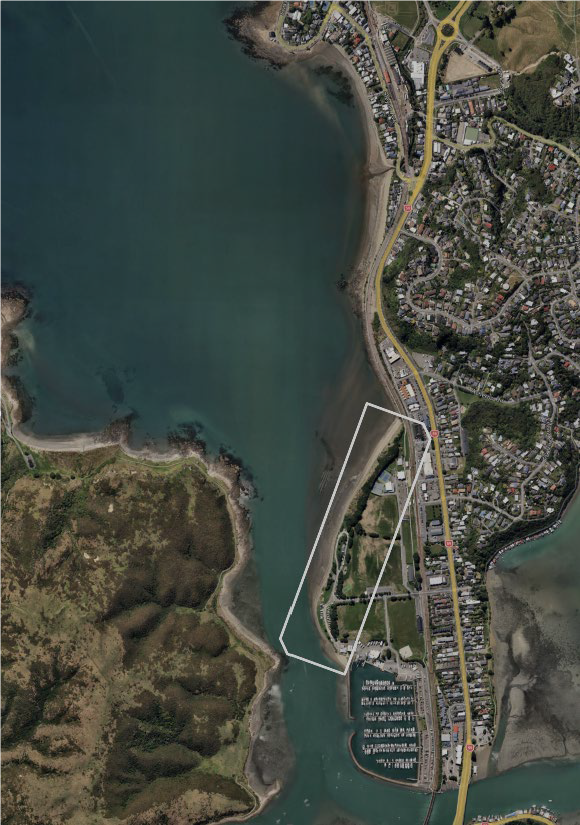
The proposed dune restoration at the northern end will involve allowing the dune system to be bought landward and develop overtime to improve coastal resilience and better protect the shoreline from erosion and storm impacts. While this may result in some changes to adjacent areas in the future, the intention is to create a more sustainable dune environment through natural coastal processes.

The existing macrocarpa trees adjacent to the tennis courts are currently proposed to be retained. The trees will be reduced to allow space and light for new planting and to support regeneration beneath them. In the short term, the remaining trees will help provide shelter and act as a nursery environment for the establishing dune plants below. Over time, the long-term goal is for the regenerated native planting to become self-sustaining and provide ongoing dune stability and management, reducing the reliance on the macrocarpa tree’s

This restoration approach aims to work with natural processes while improving the resilience of the coastlines to erosion and future sea level rise.

The proposed works are expected to deliver a range of benefits including:

  • Improved dune stability and reduced erosion
  • Restoration of native dune ecosystems and biodiversity
  • Increased habitat for indigenous species
  • Improved resilience to storms and climate change
  • Safer and more defined public access to the beach
  • Protection and enhancement of the natural character of the coastline

Subject to approvals, works are proposed to begin in Autumn 2027

Porirua City Council is proposing restoration works in sections of the Ngāti Toa Domain coastline to improve dune stability, restore native biodiversity, and strengthen the long-term resilience of this important coastal environment.

The dunes at Ngāti Toa Domain provide an important natural coastal buffer and support ecological, cultural and recreational values. However, parts of this coastline are experiencing ongoing erosion, pressure from informal access, and degradation from invasive marram grass dominating the dune system.

Previous attempts at intervention in some areas have helped reduce erosion in the short term but have had limited influence on the longer-term behavior of the coastline. Coastal assessments undertaken on site by a coastal expert identified opportunities to restore a more natural and resilient dune system through nature-based approaches.

The proposed works have been informed by a high-level coastal assessment and discussions with technical experts.

The proposed works would include:

  • Removal of marram grass in targeted areas
  • Reshaping and widening the dunes in some areas to create more natural dune profiles
  • Planting native dune species including spinifex and pingao
  • Dune stabilisation and restoration planting
  • Improved and formalised beach accessways
  • Ongoing monitoring and adaptive maintenance

To minimise disruption and allow the dune system to establish successfully, the restoration works are proposed to be completed in three stages over a three-year period. Staging the works will allow planting and dune stabilisation to occur progressively while also allowing monitoring and adjustments between stages if required.

The image below identifies the area for the project works:

The proposed dune restoration at the northern end will involve allowing the dune system to be bought landward and develop overtime to improve coastal resilience and better protect the shoreline from erosion and storm impacts. While this may result in some changes to adjacent areas in the future, the intention is to create a more sustainable dune environment through natural coastal processes.

The existing macrocarpa trees adjacent to the tennis courts are currently proposed to be retained. The trees will be reduced to allow space and light for new planting and to support regeneration beneath them. In the short term, the remaining trees will help provide shelter and act as a nursery environment for the establishing dune plants below. Over time, the long-term goal is for the regenerated native planting to become self-sustaining and provide ongoing dune stability and management, reducing the reliance on the macrocarpa tree’s

This restoration approach aims to work with natural processes while improving the resilience of the coastlines to erosion and future sea level rise.

The proposed works are expected to deliver a range of benefits including:

  • Improved dune stability and reduced erosion
  • Restoration of native dune ecosystems and biodiversity
  • Increased habitat for indigenous species
  • Improved resilience to storms and climate change
  • Safer and more defined public access to the beach
  • Protection and enhancement of the natural character of the coastline

Subject to approvals, works are proposed to begin in Autumn 2027

  • We want to hear your views on the proposed dune restoration approach at Ngāti Toa Domain.

    Share your thoughts
    Share Ngāti Toa Domain Dune Restoration on Facebook Share Ngāti Toa Domain Dune Restoration on X (formerly Twitter) Share Ngāti Toa Domain Dune Restoration on Linkedin Email Ngāti Toa Domain Dune Restoration link
Page published: 10 Aug 2026, 03:49 PM